
Single, divorced, widowed, or simply living independently, Indian women need more than a name in the ‘emergency contact’ box. Here is how to build a practical circle of support without surrendering your independence.
The form is familiar. Name. Age. Address. Emergency contact. And then, for a surprising number of women, the pause. Who exactly belongs in that box? A husband you no longer live with? A child studying overseas? A sibling who means well but never answers the phone?
For Indian women in their 40s, 50s and beyond, living alone can be a choice, a consequence of divorce or bereavement, or simply the practical arrangement that makes life work. None of these requires an explanation. But they do require something less glamorous than the freedom narratives we usually celebrate: a plan for the day something goes wrong.
Independence Is Not The Same As Having No Backup
We are remarkably good at treating a woman living by herself as a problem to be solved. Relatives worry about her safety, neighbours ask why she has not moved in with family, and even ordinary paperwork seems designed around the assumption that a spouse or adult child will appear when needed.
The better question is not why she lives alone. It is whether the people around her know what to do if she cannot answer the door, reach her phone or explain her medical history. That is not a referendum on her lifestyle. It is basic planning, and couples and large families need it too.
Start with two different kinds of contact. One person should be close enough to reach you physically, perhaps a trusted neighbour or friend in the same city. Another should be someone you trust to coordinate information and decisions, even if they live elsewhere. One person can do both jobs, but geography matters when minutes count.
Ask People Before You Put Their Names Down
An emergency contact is not a ceremonial title. Ask whether the person is comfortable being called, whether they usually pick up unknown numbers and what they can realistically do. A friend who works night shifts may be the perfect person for an afternoon appointment but a poor choice for an early-morning crisis.
Have an equally clear conversation about boundaries. Sharing an emergency key or a doctor’s number does not mean giving someone a vote in your relationships, finances or daily routine. Support works better when everyone knows where the responsibility begins and ends.
And do not confuse an emergency contact with a legal nominee, a person authorised to make medical decisions, or an heir. Those are different arrangements governed by different processes. A hospital form cannot quietly settle questions of property or medical consent.
Make A One-Page Emergency Sheet

Think of the information you would want someone to find if you were suddenly unable to speak for yourself. Keep a short, dated sheet with your full name, address, two contacts, preferred hospital if relevant, current medicines, important allergies, treating doctor’s details and any conditions emergency clinicians should know about.
A printed copy can live somewhere sensible and private, and a trusted person can know where it is. Update it whenever your medicines, address or contacts change. You do not need to hand out your Aadhaar number, banking passwords or complete medical history to everyone in your building. A little preparation should not create a new privacy problem.
If you have a pet, add who can feed or collect it. If you are responsible for an older parent, include the person who can step in for them. These details sound small until someone is trying to solve six problems while standing in a hospital corridor.
Know The Number, Not Just The Neighbour
India’s official Emergency Response Support System uses 112 for urgent police, fire and medical assistance. The government also provides the 112 India app. Check how emergency calling works on your own phone, and keep the number accessible rather than relying on a frantic internet search when you need it.
For non-urgent issues, keep separate numbers for your building security, a reliable local doctor, your preferred hospital and a trusted cab or transport option. Emergency services are for genuine emergencies; a neighbour who can collect a prescription is a different kind of lifeline.
The Quiet Check-In Is Better Than The Dramatic Rescue
You do not need someone monitoring your every movement. You might, however, agree with a friend that you will message after a medical procedure, or that one of you will check in if the other has been unwell. Decide what should happen if a message goes unanswered: call first, try another contact, then seek help if there is reason for concern.
A practical arrangement should be mutual where possible. Perhaps you hold a neighbour’s spare keys while she holds yours, or you are each other’s backup for an unexpected hospital visit. It feels less like being supervised and more like what it is: community.
Technology can help, but it is not a substitute for an actual person. Phone emergency features, medical IDs and location-sharing settings are worth reviewing. Share only what you are comfortable sharing, with someone you trust, and remember that phones can be lost, discharged or left in another room.
Do The Paperwork Before It Becomes Someone Else’s Crisis

A sensible midlife audit also means checking insurance details, health cover, financial nominations and whether important documents can be located. If you want to make arrangements about future medical care or decision-making, seek qualified legal and medical guidance on what is valid and applicable in India. Do not assume a WhatsApp message or informal promise is legally sufficient.
This is particularly important when your family structure does not match the boxes on the form: an estranged spouse, an unmarried partner, a close friend who is more dependable than a relative, or children living abroad. Your support system can reflect your real life, while legal documents may need more careful attention.
Living Alone Should Not Mean Planning Alone
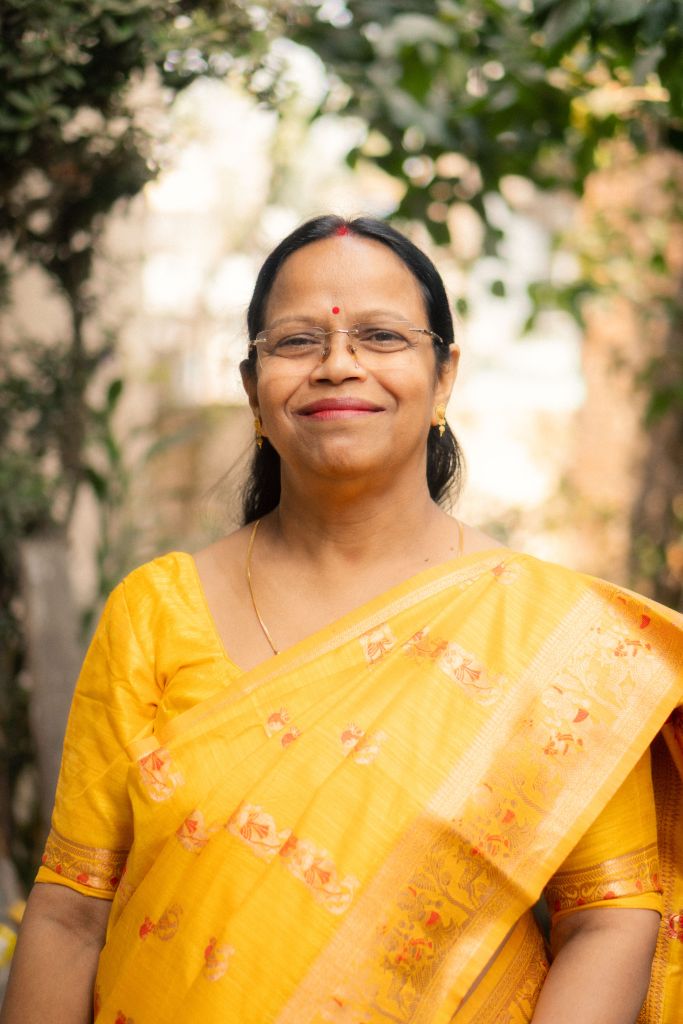
There is a peculiar double standard in the way we talk about women and independence. We admire the woman who pays her own bills, travels alone and makes her own choices, then become uncomfortable when she asks a friend to be her emergency contact. As though independence should mean never needing anyone.
It does not. The point of building a circle is not to make a woman less self-sufficient. It is to make sure that one difficult day does not leave her navigating an avoidable crisis without help. Ask two people. Write the sheet. Save the number. Then go back to living your life, which was the point all along.





Leave a Reply