
There is a particular kind of confusion that can arrive in your 40s. You are tired, but perhaps work has been relentless. Your sleep has changed, but maybe that is stress. Your periods are behaving differently, your patience is shorter, your body feels unfamiliar, and suddenly you cannot remember the word you were about to say. So you do what women have been trained to do rather efficiently: carry on.
Except sometimes, these seemingly unrelated changes may be part of the same story.
Perimenopause is the transition leading up to menopause, when hormone levels begin to fluctuate and periods can start to change. It often begins in the 40s, although it can start earlier or later, and the experience can look very different from one woman to another. Menopause itself is reached after 12 consecutive months without a period.
The problem is that perimenopause rarely arrives with a neat announcement. There is no universal first symptom, and many of the changes are easy to dismiss as ageing, stress, lack of sleep or simply having too much on your plate.
1. Your Period Has Changed, Even If It Has Not Disappeared
One of the earliest signs of perimenopause can be a change in your menstrual cycle. Periods may become shorter, longer, lighter, heavier, more frequent or less predictable. You do not need to have stopped menstruating for hormonal changes to be underway.
That said, not every change in bleeding should automatically be blamed on perimenopause. If your bleeding becomes very heavy, lasts unusually long, happens between periods or concerns you in any way, speak to a doctor rather than diagnosing yourself via the internet. The internet has many talents. Being your gynaecologist should not be one of them.
2. You Are Suddenly Terrible At Sleeping

You used to fall asleep without much ceremony. Now you are awake at 3 am mentally reorganising your kitchen, replaying a conversation from 2019 or wondering why your body has decided eight uninterrupted hours are apparently excessive.
Sleep disruption is common during perimenopause. Hot flushes and night sweats can contribute, but sleep can also change even without them. And because poor sleep has a charming habit of making everything else worse, it can feed into fatigue, irritability and difficulty concentrating.
3. You Keep Calling It Stress, But Your Mood Feels Different

Midlife is not exactly known for being administratively peaceful. Careers, ageing parents, children, relationships, money and the general business of keeping a household alive can provide plenty of legitimate reasons to feel overwhelmed.
But hormonal changes during perimenopause can also be associated with mood swings, irritability, anxiety and low mood. The useful question is not whether your feelings are “real” or hormonal. They are real either way. It is whether a noticeable change in mood deserves attention rather than another instruction to simply cope better.
4. Your Brain Has Started Buffering

You walk into a room and forget why. A familiar name disappears halfway through a sentence. Concentration that once came easily now requires an unreasonable amount of negotiation.
Problems with memory and concentration, often described as brain fog, can occur during perimenopause. Lack of sleep can make them feel worse. It does not mean you have suddenly become less capable, but persistent or worrying cognitive changes are still worth discussing with a healthcare professional rather than assuming hormones explain everything.
5. Your Body Feels Different In Ways The Scale Does Not Explain
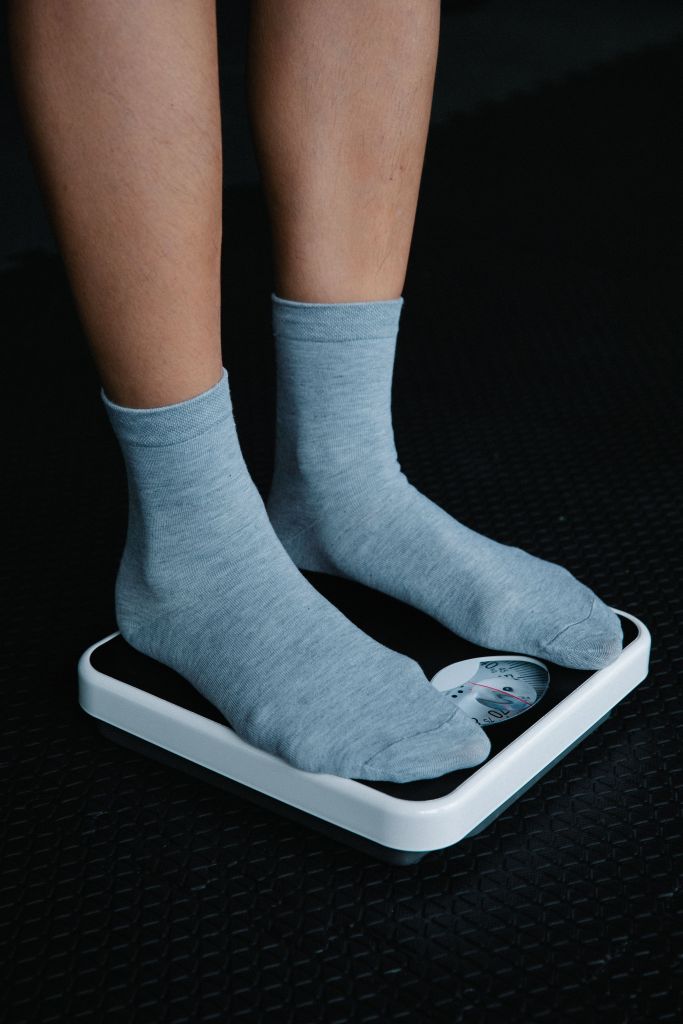
For some women, midlife brings changes in weight or where weight is carried, often around the abdomen. Others notice muscle and joint aches, headaches or changes in skin and hair. These shifts can be frustrating, particularly after decades of women’s health being reduced to a conversation about becoming smaller.
This is also why the conversation around movement in midlife needs to extend beyond weight loss. Strength, mobility, cardiovascular health, bone health and simply feeling comfortable in your own body deserve considerably more attention than chasing an old number on a weighing scale.
6. Sex Feels Different, And Nobody Warned You
Changes in libido, vaginal dryness, irritation or discomfort during sex can also occur during perimenopause and menopause. They are common, but “common” does not mean something you are expected to quietly tolerate.
This may be one of the least casually discussed parts of the transition, despite its impact on relationships, confidence and quality of life. If something has changed, it is worth bringing up with a gynaecologist or healthcare professional. There are treatment options, and embarrassment is a particularly poor reason to live with discomfort.
7. You Do Not Have To Have Hot Flushes For It To Count

Hot flushes may be the symptom most closely associated with menopause, but they are not an entry requirement. Some women experience them intensely. Others barely do. Some notice changes in periods first; others struggle with sleep, mood, joint pain or brain fog.
There is no single correct way to experience perimenopause, which is precisely why comparing your symptoms with your friend, sister or mother can only tell you so much.
So, Is It Perimenopause?
Possibly. But symptoms associated with perimenopause can overlap with other health issues, which is why self-diagnosis has its limits. If you are noticing changes that are new, persistent or affecting your day-to-day life, speak to a qualified healthcare professional. Keeping a simple record of changes to your cycle, sleep, mood and other symptoms can also make that conversation more useful.
Most importantly, you do not need to wait until your periods stop or your symptoms become unbearable before asking questions.
Have Questions You Have Been Quietly Googling?
Midlife Crisis is hosting a live Midlife Power Club: Menopause Edition with Laiqa Wellness, created as a space for women to understand what may be changing in their bodies, ask the questions they have been carrying around and get practical expert guidance without judgement.
Date: 28 October 2026
Time: 5 pm
Format: Live online webinar
Registration: ₹500
To register, DM “I WANT IN” to @themidlifecrisis.in on Instagram.
This article is for general information only and is not a substitute for personalised medical advice. If you are concerned about symptoms or changes in your health, speak to a qualified healthcare professional.
Images via Pexels | Used for representational purposes only