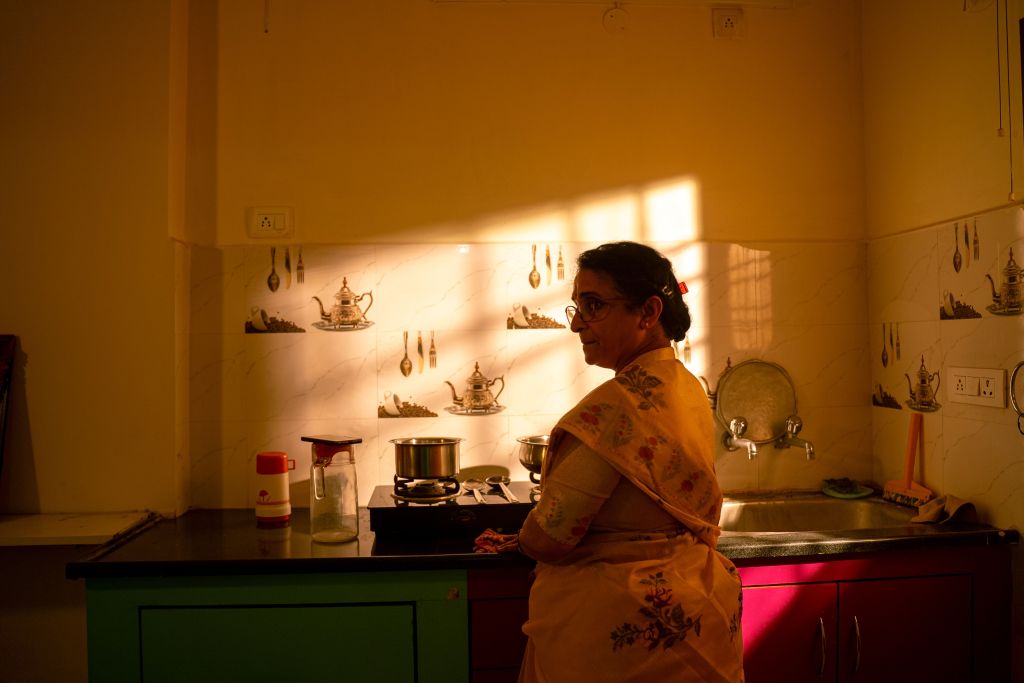
New research from India suggests household air pollution may blunt some of the cognitive benefits associated with physical activity in women. It is a useful reminder that healthy ageing isn’t entirely a personal responsibility.
There is a familiar checklist for ageing well.
Walk. Exercise. Eat protein. Sleep eight hours. Do strength training. Manage stress. Learn something new. Drink enough water.
Apparently one should also maintain friendships, meditate, monitor cholesterol and develop a meaningful hobby, presumably in the remaining seven minutes of the day.
The underlying message is reassuring: do the right things and you can influence how well you age. Much of that is true.
But new research involving older adults in India complicates the story in an interesting way.
A study published in the September 2026 issue of Social Science & Medicine examined physical activity, household air pollution and cognitive function among older adults in India. Physical activity was consistently associated with better cognitive performance.
But researchers found something striking when they looked specifically at women. Among women, exposure to household air pollution substantially reduced the cognitive benefits associated with physical activity. The same gender-specific pattern was not seen among men.
In other words, what happens around your body may matter alongside what you diligently make your body do.
We Talk About Outdoor Pollution. The Air At Home Gets Less Attention

In India, pollution tends to conjure a familiar image: winter smog, AQI alerts and city skylines disappearing behind a grey curtain.
Household air pollution sounds comparatively harmless. It isn’t.
The World Health Organization says household air pollution can result from polluting fuels and technologies used for cooking, heating and lighting. Fine particles produced by these sources can penetrate deep into the lungs and enter the bloodstream.
Globally, women and children carry a disproportionate burden because they have traditionally spent more time around cooking and household work.
Earlier research using India’s Longitudinal Ageing Study found poorer cognitive function among people exposed to polluting cooking fuels, with particularly pronounced associations among women. Another Indian study of middle-aged and older rural women similarly found lower cognitive functioning among women exposed to indoor air pollution.
The new research adds a particularly uncomfortable layer. It suggests that healthy behaviour does not necessarily exist in a vacuum.
Women Are Very Good At Being Given Homework

Much of modern wellness is built around individual behaviour. Your sleep. Your steps. Your food. Your weight. Your stress. Your hormones. Your supplements. Your attitude.
If something goes wrong, there is almost always another behaviour available for optimisation.
For women in midlife, this can become exhausting. You are not merely ageing. You are apparently project-managing ageing.
But health is also shaped by where you live, what you breathe, how much money you have, what work you do and how domestic labour is distributed.
A woman can go for her morning walk and still spend hours in an environment that is affecting her health. That does not make the walk pointless. It makes the idea that health is entirely the consequence of personal discipline rather simplistic.
Why Women?

The obvious explanation is exposure.
Women have historically performed more cooking and domestic labour and therefore can spend considerably more time close to household pollution sources. The WHO explicitly identifies women and children as carrying the greatest health burden from polluting household fuels and technologies for this reason.
Indian research has found the gender difference before. A study examining polluting cooking fuels and cognition using Indian data found that women in households using polluting fuels had poorer cognitive health than women using clean fuels. Researchers linked this vulnerability partly to women’s greater exposure as primary cooks.
This matters because women’s health has a long history of being treated as something happening entirely inside the female body. Sometimes the problem is not your body. Sometimes it is the room.
This Does Not Mean Your Gas Stove Is Giving You Dementia
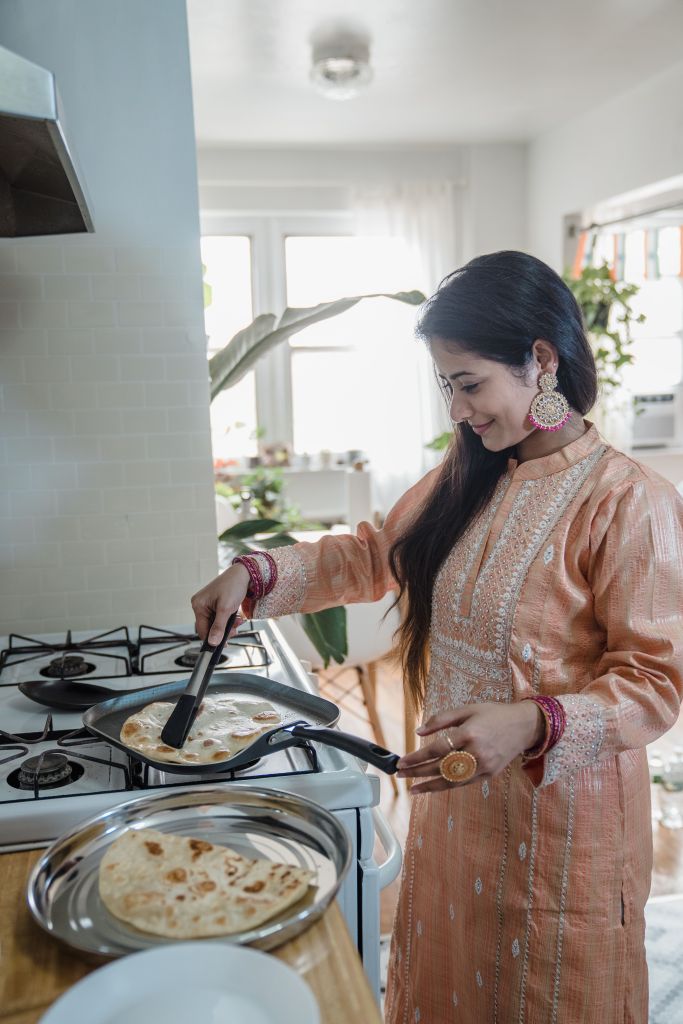
A necessary pause before the internet gets involved.
The new study identifies associations. It does not establish that household air pollution will cause cognitive decline in an individual woman, nor does it mean exercise stops being beneficial if you live with pollution.
The researchers themselves argue for a broader conclusion: behavioural interventions alone may be insufficient when environmental disadvantages remain.
You should still move. Exercise has an enormous evidence base supporting physical and mental health. The point is not to replace one wellness panic with another. It is to widen the lens.
So What Can You Actually Do?

If your household still uses wood, coal, kerosene or other polluting cooking fuels, transitioning to cleaner technologies is the most important intervention where practically and financially possible.
The WHO classifies electricity, LPG, natural gas, biogas, solar and alcohol fuels as clean at the point of use, along with certain biomass technologies meeting specified emissions standards.
Ventilation matters too, particularly where polluting fuels remain unavoidable.
But there is a larger point here for women who already live in relatively modern urban homes. Start thinking about the environment of health, not simply the behaviours of health.
Second-hand smoke matters. Ventilation matters. Outdoor pollution entering the home matters. Cooking practices and fuels matter. Where you exercise matters. The air your ageing parents breathe matters.
And if you employ someone who spends considerably more time cooking in your kitchen than you do, her exposure matters too.
Healthy ageing cannot simply become another luxury lifestyle project in which affluent women buy better supplements while the women doing their domestic work inhale the greater environmental risk.
Perhaps We Need A Better Definition Of ‘Taking Care Of Yourself’

The phrase usually means doing something. Book the mammogram. Go to Pilates. Eat differently. Take the medication. Make the appointment.
But sometimes taking care of yourself means noticing what is being done to you. The air. The workload. The environment. The systems around you.
Women should absolutely be encouraged to exercise as they age. But we should be suspicious of any version of wellness that makes women entirely responsible for outrunning the conditions in which they live.
You can do everything ‘right’ and still deserve cleaner air. Those two things were never supposed to be mutually exclusive.
Images via Pexels | Used for representational purposes only





Leave a Reply