
Indian women are expected to inherit trillions in wealth over the next decade. But receiving an asset and knowing how to control, protect and use it are very different things.
For generations of Indian women, inheritance has had a peculiar relationship with politeness.
Yes, daughters have rights. Yes, families know this. But discussing what exactly your parents own, what will happen to it and whether your name is on anything can still feel vaguely indecent.
Your parents are alive. Why are you talking about their money?
So we don’t.
Then a parent dies, and grief arrives with bank accounts, nominees, property papers, passwords, demat accounts, insurance policies, jewellery nobody can remember buying and one extremely important document apparently kept ‘somewhere in the cupboard’.
This would merely be inconvenient if the sums involved weren’t becoming enormous.
A 2026 report from Barclays Private Bank and Encubay estimates that Indian women are set to inherit at least ₹73 trillion over the next decade. The estimate covers listed and unlisted family assets and may understate the total because some private holdings could not be fully evaluated.
It is a huge transfer of wealth. It may also be a huge transfer of responsibility.
Inheriting Money Is Not The Same As Controlling Money

India has made enormous progress in women’s access to banking. But access and ownership are not the same thing.
Research published this year found that nearly 70% of Indian women save regularly, while only about 40% invest beyond traditional options such as fixed deposits and gold. More than half still rely on male family members for investment advice.
Which creates an interesting midlife contradiction.
A woman may spend decades being perfectly competent with household finances, school fees, insurance renewals, family budgets and enormous purchasing decisions. Then she inherits a portfolio and suddenly everyone behaves as though she has wandered accidentally into the finance department.
A brother knows someone. A husband has an adviser. A cousin has a ‘very good guy’.
The money is hers. The expertise surrounding it somehow belongs to everybody else.
The First Conversation Is Not ‘What Will I Get?’

Talking to ageing parents about money does not have to mean asking what you are going to receive.
It can mean asking: Where are the important documents? Is there a will? Who is the executor? Where are the bank and investment accounts? What insurance exists? Who are the nominees? Is property held individually or jointly? Are there loans or liabilities the family should know about? Who is the financial adviser, lawyer or chartered accountant who understands the full picture?
These are administrative questions. They are also acts of care. Because when somebody dies, the person left behind does not magically become better at paperwork because she is grieving.
Jewellery Is Wealth. So Is Knowing What Else Exists.
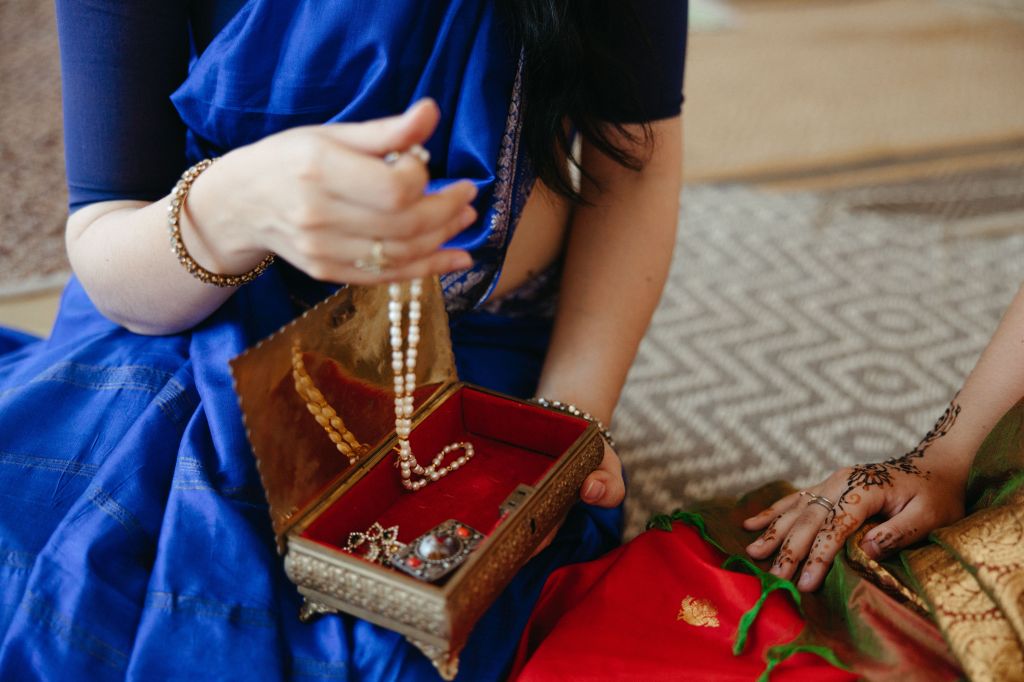
Women have historically held wealth through jewellery and gold, sometimes because these were among the few assets over which they had meaningful personal control. But family wealth today can be far more complicated: property, shares, mutual funds, businesses, ESOPs, insurance, pensions, digital assets, international investments and family trusts.
The danger is not simply that women don’t receive these assets. It is that they receive them without having participated in the conversations that surrounded them. There is an enormous difference between inheriting a portfolio and understanding why it exists.
Do Not Make Your First Investment Decision While Grieving

You do not need to immediately ‘do something’ with inherited money. Unless there is an urgent legal or financial requirement, grief is generally a terrible investment strategy.
You can understand what you own before deciding what to change. You can get a second opinion. You can ask someone to explain an investment without buying anything from them. You can say, ‘I don’t understand this.’ You can ask again.
Financial confidence is not knowing every acronym. It is refusing to approve something you do not understand because somebody made you feel embarrassed for asking.
There Is Also The Question Nobody Likes Asking
What if your inheritance is not what you expected?
Indian daughters have legal inheritance rights, but family expectations around property and wealth do not always follow neatly from legislation. Some women are encouraged to ‘leave it for the brother’. Some consider wedding expenses their share. Some do not want to create conflict with siblings. Some genuinely do not want the money.
Those are personal decisions. But there is an important distinction between choosing to give something up and never understanding what was yours to begin with. You are allowed to know before you decide.
The Most Useful Thing You Can Inherit May Be Information

Perhaps families need a different ritual around money. Not a dramatic reading of the will. A folder. A document. An annual conversation.
Here is what we own. Here is where it is. Here is who you call. Here is what happens if one of us dies. Here is what your mother knows. Here is what your father knows. Here is what both of them inexplicably assumed the other person knew.
This matters especially for women in midlife because inheritance can arrive alongside several other financial transitions: children becoming independent, retirement getting closer, parents requiring care, marriages changing and careers entering their final high-earning decades.
₹73 trillion moving into women’s hands sounds like a story about wealth. It is. But it is also a story about whether women become the owners of that wealth rather than merely its recipients.
So perhaps the inheritance conversation to have with your parents isn’t: ‘What are you leaving me?’
It is: ‘If something happens, will I know what to do?’
That is a much less awkward question. And a considerably more valuable one.
Images via Pexels | Used for representational purposes only





Leave a Reply