
Work, marriage, children, ageing parents and the endless administration of adult life all compete for the same hours. Somehow friendship is expected to survive on whatever is left.
There is a particular kind of friendship that exists mostly in your phone.
You love each other. You know what is happening in each other’s lives. You send the birthday message, the occasional voice note, and the ‘we really need to meet’ text.
And you mean it.
Then six weeks pass.
Nobody has fallen out. Nobody has behaved badly. There has been no dramatic friendship break-up. Life has simply become so full that friendship has quietly moved from something you do to something you intend to do.
This may be one of the stranger parts of midlife.
At 20, friendship happens almost accidentally. You live together, study together, work late together, go out because somebody sent a message at 8 pm.
By 45, seeing someone you love can require the logistical planning of a minor international summit.
And for women, there may be a reason it feels particularly difficult.
There Is Actually A Friendship Penalty
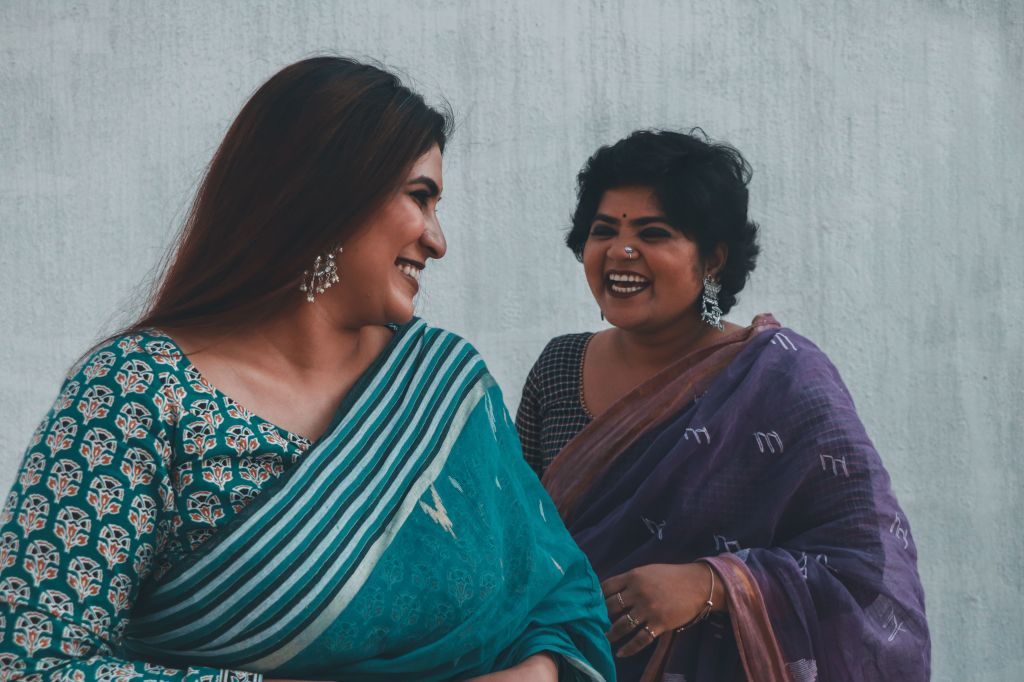
A 2026 working paper analysing India’s 2024 Time Use Survey describes something rather depressing as the ‘gendered friendship penalty’.
The researchers found that marriage was associated with a much larger reduction in women’s social time than men’s. Among employed women, the effect was particularly pronounced, and caregiving responsibilities appeared to explain a large part of the difference.
Which makes intuitive sense.
Indian women are not simply working more. They are frequently working and continuing to carry much of the invisible work around the home.
Government data from the 2024 Time Use Survey shows that among people aged 15–59 who performed unpaid domestic work, women spent an average of 305 minutes a day on it compared with 86 minutes for men. Women participating in unpaid caregiving spent 140 minutes a day, compared with 74 minutes for men.
Something has to move.
And friendship is unusually easy to sacrifice because it rarely announces itself as urgent.
Nobody Sends A Calendar Invite Saying ‘Maintain Your Friendships’

Work has deadlines.
Children have school timings.
Parents have medical appointments.
Houses produce an astonishing number of administrative requirements for objects that mainly sit still.
Even exercise has acquired the authority of a prescription.
Friendship, meanwhile, asks politely whether you might be free next Thursday.
So it gets moved.
This is partly because friendship occupies an odd position in adult life. We describe our closest friends as family, but structurally we rarely treat them that way.
A marriage is understood to need time.
Parenthood obviously needs time.
Caregiving demands time whether you have it or not.
But friendships are somehow expected to remain emotionally intimate while surviving on three lunches a year and enthusiastic reactions to Instagram Stories.
They often do, which is frankly impressive.
But perhaps we should stop assuming they always will.
The Friends Haven’t Become Less Important. Life Has Become More Crowded.

Research on friendship across the lifespan suggests that contact with friends tends to decline from young adulthood and flatten through midlife as work, partnership and family responsibilities intensify. Interestingly, researchers note that as some of those demands later ease, friendships can become more central again.
This is important because a friendship becoming less visible is not necessarily the same thing as becoming less valuable.
Your closest friend may know more about you at 47 than she did at 27.
You just see her significantly less.
There is also something particularly unforgiving about the 40s and 50s because people’s lives begin moving at radically different speeds.
One friend has teenagers.
Another has toddlers because she had children later.
Someone else is caring for ageing parents.
One is divorced and suddenly available on weekends.
Another has just remarried.
Someone’s career has exploded.
Someone has left work entirely.
Someone has moved abroad.
The neat life-stage synchronisation of youth disappears.
Maintaining friendships therefore requires something they did not require before: intention.
And Then There Is The Couple Problem

We talk constantly about maintaining romance inside long relationships.
Date your spouse.
Make time for each other.
Take trips together.
Protect the marriage.
All reasonable.
But very few people tell women to protect the friendships that existed before, during and sometimes long after romantic relationships.
Research on midlife relationships has found that friendship can become structurally secondary to coupledom even when friends provide enormous emotional support. In other words, we may value our friendships deeply while organising our lives as though they are optional.
That becomes particularly obvious when a marriage ends.
Suddenly the friends who have been fitted around the edges become central again.
Perhaps they should not have needed a crisis to regain that position.
Friendship Is Not The Reward You Get Once Everything Else Is Finished
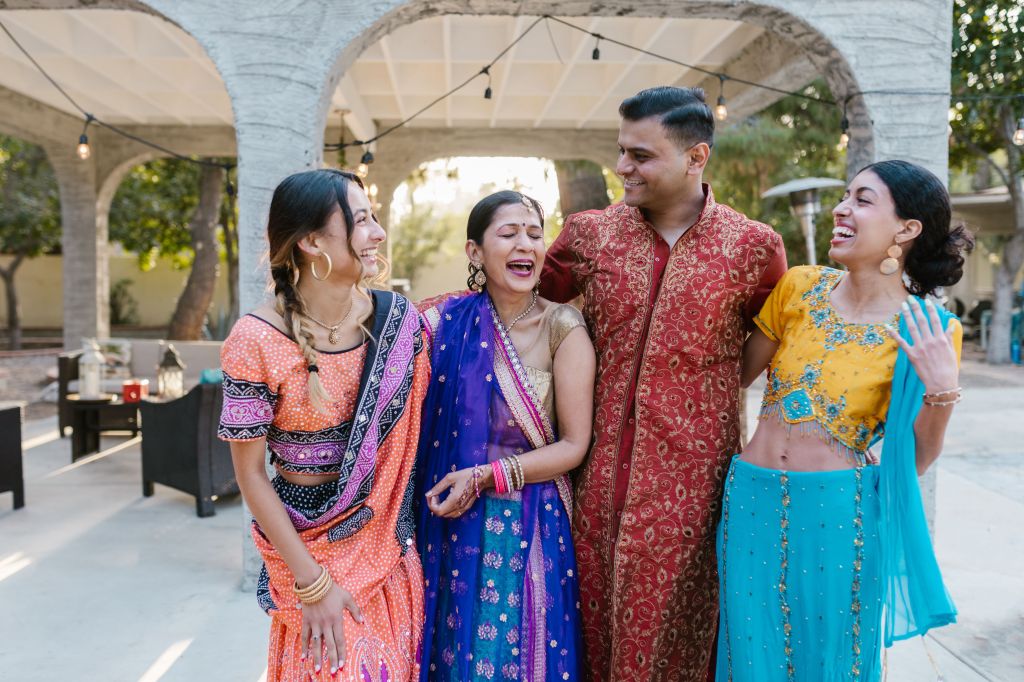
This may be the part women need to hear.
You are never going to finish everything.
There will always be an unanswered email, something the house needs, somebody in the family requiring help and a list somewhere quietly reproducing overnight.
If friendship only happens once the important things are done, friendship may never happen.
That does not mean adding ‘maintain friendships’ to the already absurd list of things women are apparently failing to optimise.
Please do not create a friendship spreadsheet.
It may simply mean recognising that seeing a friend is not frivolous time stolen from more productive responsibilities.
It is part of the infrastructure of a life.
Research consistently associates supportive social relationships with better wellbeing, and newer work examining midlife specifically suggests social support and a sense of connection are closely tied to mental wellbeing.
But even without a study, most of us know the feeling.
You arrive at dinner exhausted.
Three hours later, nothing in your life has technically changed.
The work problem still exists. Your mother still has the appointment. Your child still needs something. Your marriage remains whatever your marriage currently is.
But you feel more like yourself.
That counts.
Maybe The Goal Is Not More Friends

There is a strange pressure around adult friendship to expand.
Join the club. Meet new people. Build your community.
Sometimes that is exactly what we need, and there is growing interest in adults deliberately creating spaces for new friendships because those accidental opportunities become rarer with age.
But midlife may also be about protecting the people already there.
Send the message.
Book the lunch six weeks in advance if that is what adulthood has reduced us to.
Take the trip.
Call instead of sending another reel.
Tell your friend you miss her rather than assuming she knows.
Because perhaps the friendship crisis of midlife is not that women stop loving their friends.
It is that friendship becomes the only relationship we expect to survive indefinitely without being given any time.
And maybe it deserves better than the leftovers.
Images via Pexels | Used for representational purpose only






Leave a Reply