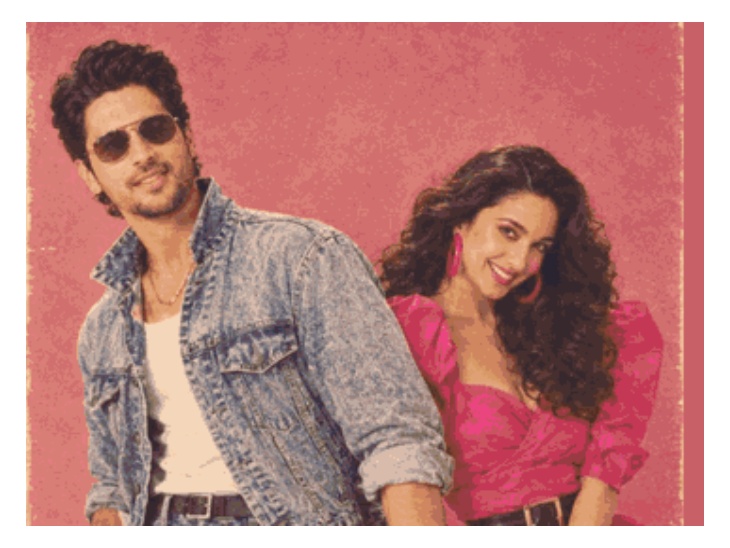
The ChatGPT 80s photo trend is everywhere. But when the photographs look like your childhood, your mother and the family albums you grew up with, nostalgia gets a little more complicated.
For the past few days, Instagram has been full of people who have apparently misplaced 2026.
There are enormous blow-dries. Sarees with very serious borders. Soft-focus faces. Studio backdrops. Men looking faintly like Amitabh Bachchan. Women being given the sort of hair volume that would require structural engineering in real life.
The 1980s AI photo trend has moved quickly across Indian social media, with everyone from actors to politicians joining in. ChatGPT and other AI tools are being used to turn current photographs into portraits that look as though they belong in an old Bollywood film, a slightly faded wedding album or one of those family studio photographs in which everybody appears to have been instructed not to smile too much.
And naturally, the internet has responded by producing hundreds of guides explaining exactly what to type into an AI tool to get the hair, the lighting, the chiffon and the appropriate quantity of film grain.
But I think the trend feels a little different when you’re over 40.
Because to a 22-year-old, the 1980s are an aesthetic.
To some of us, they are childhood.
We don’t only recognise the clothes. We recognise the photographs.
The warm colour cast. The studio curtains. The wedding pictures where the bride is wearing gold from somewhere near her clavicle to her waist. The family albums with transparent plastic sheets that eventually began sticking to the photographs underneath.
We remember our mothers looking like this.
And that may be the strangest part.
When Did Our Mothers Become Younger Than Us?
There is a peculiar moment that arrives sometime in your 40s when you look at an old photograph of your mother and realise she was younger in it than you are now.
As a child, she simply looked like your mother. Fully adult. In charge. A person who knew where the extra bedsheets were kept and what time everyone needed to leave for the airport.
Then suddenly you are looking at the same photograph at 44 and thinking: she was 36.
Thirty-six.
She had two children, a household, possibly a job and whatever else was going on in her life that nobody thought to ask her about because she was Mum.
The ’80s AI trend does something slightly odd with that memory. It takes the face you have today and puts it into the visual language in which you remember the women who came before you.
For a moment, you resemble the women in the old albums rather than the woman scrolling through them.
That is considerably more interesting than whether AI has got your eyeliner right.
The Face In Your Head Is Usually A Few Years Behind
There is another reason I suspect these photographs are so compelling in midlife.
Most of us carry around a slightly outdated idea of what we look like.
Not dramatically outdated. I do not wander around convinced I am 24.
But the face you instinctively imagine as ‘your face’ does not update every morning alongside the mirror.
Then somebody takes a photograph in particularly unforgiving lighting and there is that tiny moment of: Is that really me?
Women talk about this constantly as they get older. Not necessarily hating their faces, just feeling surprised by them. A jawline changes. Hair changes. Skin changes. An expression you recognise completely is sitting on a face that somehow looks different from the one stored in your head.
Which is why there is something fascinating about taking your current face and sending it backwards.
You aren’t asking AI to make you 25 again.
You are asking it to make you now look as though you existed then.
The result is fake, obviously. But the feeling it creates can be surprisingly real.
Nostalgia Has Become A Very Good Business
We are living through a period obsessed with recycling the recent past.
Fashion has been happily raiding the ’90s and Y2K for years. Old songs return because somebody used 11 seconds of them in a Reel. Gen Z discovers something you wore the first time around and informs you that it is vintage, which is always a delightful way to discover you have apparently become an antique.
The ’80s AI trend fits neatly into that cycle, but AI makes nostalgia personal.
Previously, you could watch an old film, wear a vintage silhouette or listen to a song from school.
Now you can insert yourself directly into the memory.
You can see yourself as the Bollywood heroine. In your mother’s wedding era. In a photograph that looks uncannily like something you might find in an old family album, except that the person inside it is the version of you who paid an electricity bill this morning.
No wonder we’re entertained.
It Isn’t Really About Wanting To Go Back
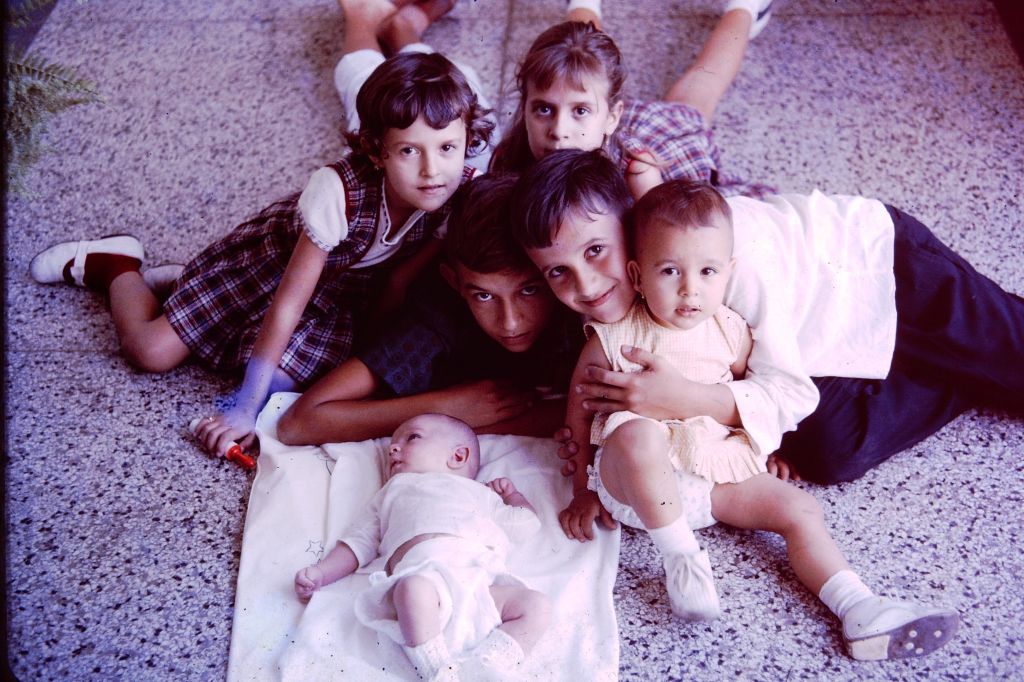
Via Pexels | Carlos Pietri
The obvious interpretation of nostalgia is that we want the past back.
I don’t think that’s quite it.
Most women I know in their 40s would not particularly like to surrender their current independence, careers, bank accounts or ability to order dinner from bed in exchange for historically accurate shoulder pads.
What we miss is more complicated.
We miss people.
We miss houses that no longer exist.
We miss versions of our parents.
Sometimes we miss a younger version of ourselves, even if we have no desire whatsoever to become her again.
And sometimes a stupid internet trend touches one of those things accidentally.
You upload a photograph for a laugh. A few seconds later you are looking at yourself with hair your mother might have worn, in the colour palette of your childhood photographs, and for half a second it feels strangely familiar.
Then naturally you send it to three friends and ask whether you look like Rekha.
We remain sensible women.


Leave a Reply