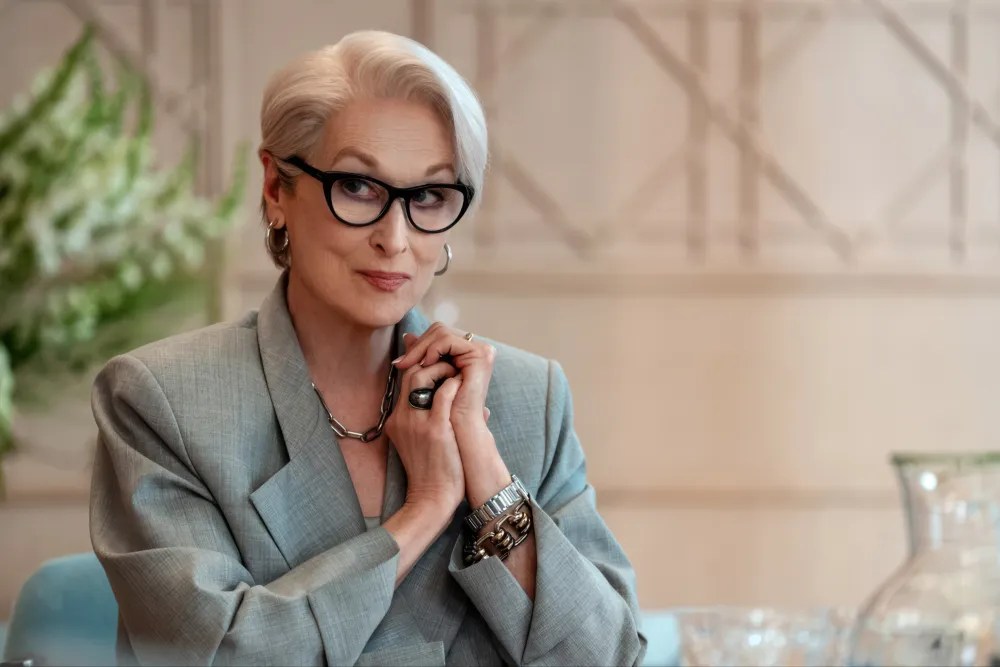
Let’s be honest. Fashion loves the idea of power, but rarely extends it to women past a certain age.
So the return of Miranda Priestly, still at the centre of the story, still commanding the room, still entirely herself, doesn’t feel nostalgic. It feels disruptive.
Because nothing about this is softened for comfort.
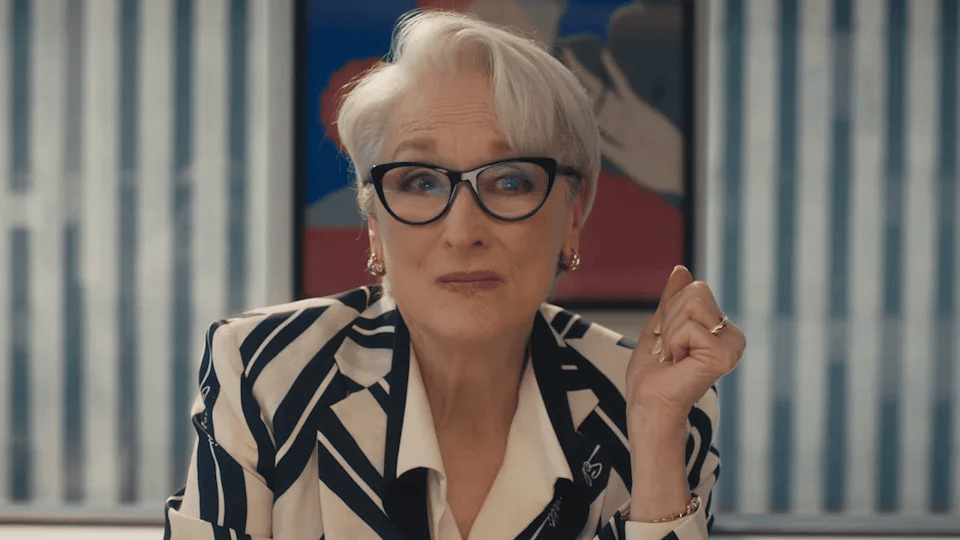
At 70, she isn’t being repositioned as reflective, maternal, or quietly wise. She isn’t stepping aside to make space. She is the space. Still sharp, still exacting, still difficult. And crucially, still leading.
That’s the part we don’t see enough of.
We’ve been conditioned to believe that women’s relevance has an expiry date. That authority must eventually give way to likability. That ageing, especially for women in public-facing industries, needs to be made palatable. What Miranda represents is the opposite. A woman who hasn’t negotiated her edges to remain visible.
And audiences are ready for it.
Closer home, this is where the gap is harder to ignore. Indian cinema has never lacked formidable women. But it has consistently struggled to place them at the centre of big, mainstream narratives once they cross a certain age. The roles exist, but they are often contained, careful, or positioned as exceptions rather than the norm.
Which is why this moment matters beyond one film.
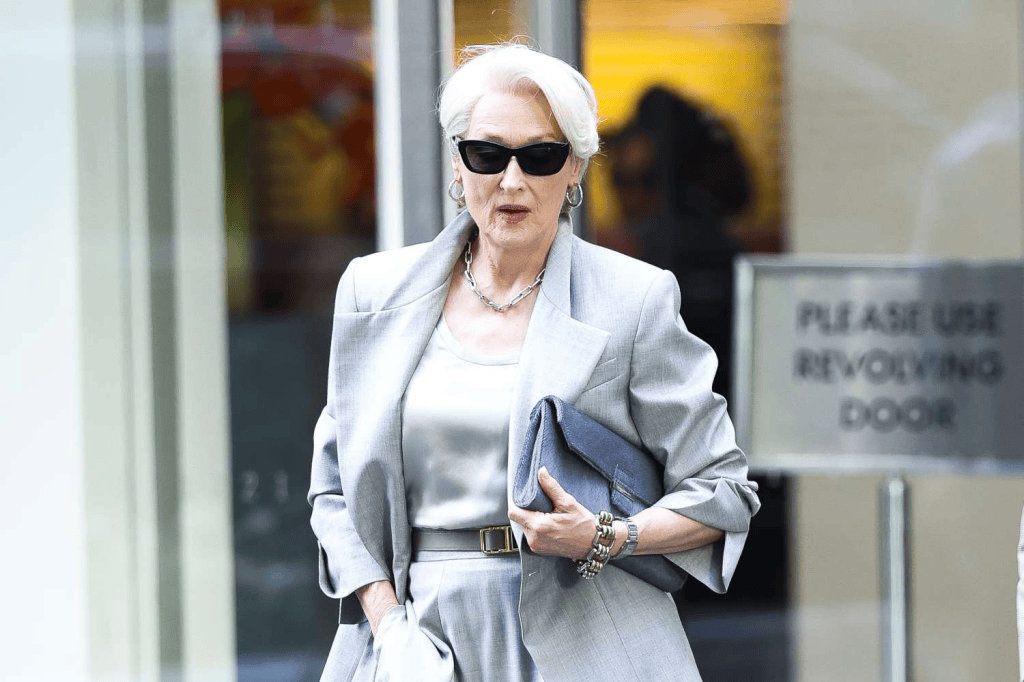
It challenges a very specific idea of who gets to lead. Not just in terms of age, but in terms of personality. Because Miranda isn’t “relatable” in the way women are often expected to be. She is unapologetic. And still, she holds the story.
That is the shift.
If global cinema can make space for a 70-year-old woman to headline one of the biggest fashion films of the year without diluting her, the question is simple: What’s stopping us?


Leave a Reply