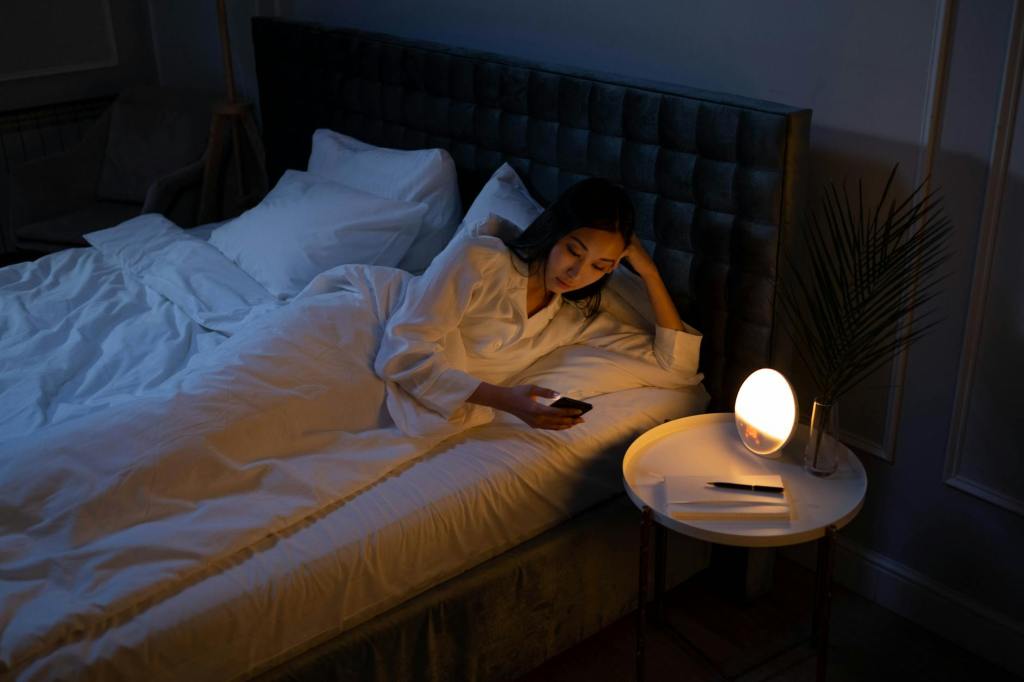
If you’re waking up tired, restless, or wired at odd hours in your 40s, even when nothing dramatic has changed in your life, you’re not imagining it. Sleep disruption is one of the most common and least explained midlife shifts.
Short answer: Sleep gets worse in your 40s because hormonal fluctuations, stress load, and nervous system fatigue collide at the same time. This isn’t a failure of discipline – it’s biology meeting modern life.
What’s actually happening to your sleep
1. Hormones stop being predictable
Oestrogen and progesterone don’t decline neatly. They fluctuate, sometimes wildly, for years before menopause. This affects body temperature, anxiety levels, and the ability to stay asleep through the night.
2. Your nervous system is overstimulated
By your 40s, you’re often carrying invisible mental load – work pressure, caregiving, relationship management, financial responsibility. Even when you’re physically still, your nervous system may not be.
3. Your body needs recovery, not exhaustion
What once knocked you out (overwork, late nights, intense workouts) now backfires. Your body needs gentler cues to rest, not more depletion.
What doesn’t really help (even if everyone suggests it)
- Forcing yourself to sleep
- Late-night scrolling until you pass out
- Cutting caffeine but ignoring stress
- Intense workouts late in the evening
These often worsen sleep quality rather than improve it.
What actually helps (that you can start today)
These aren’t miracle fixes. They’re steady, proven supports that many women in midlife find genuinely helpful.
1. Consistent sleep timing
Going to bed and waking up at roughly the same time trains your nervous system to expect rest. Consistency matters more than duration.
2. Magnesium (glycinate, not oxide)
Magnesium glycinate is commonly used to support relaxation and sleep quality. Many women report deeper sleep and fewer middle-of-the-night wakeups.
Affiliate note: Magnesium glycinate supplements are widely available online. Look for simple formulations without added stimulants.
3. Cooling sleep environment
Midlife bodies often overheat at night. Cooling pillows, breathable cotton bedding, and keeping the room slightly cooler can significantly improve sleep continuity.
4. A low-stimulation wind-down ritual
Dimming lights, stretching gently, or reading something calming tells your body it’s safe to rest. Screens do the opposite.
5. Gentle evening movement
Light walking or stretching helps release the day’s stress without activating your nervous system the way intense workouts do.
Is this perimenopause?
Possibly. Sleep disturbance is often one of the earliest signs of perimenopause, even before periods change noticeably. A doctor can help assess this if symptoms persist.
Is this normal?
Yes. Extremely. Most women experience sleep changes in their 40s, even if no one warned them.
Will it pass?
For many women, sleep improves when they work with their changing body rather than trying to overpower it.
The bigger picture
Poor sleep in midlife isn’t a sign that you’re doing something wrong. It’s a signal that your body needs steadiness, not punishment. Rest becomes an act of self-respect in this decade, not indulgence.
Products many women find helpful
If you’re looking to support better sleep with small, practical changes, these are tools many women in their 40s find genuinely helpful. Links may be affiliate links and help sustain this platform.
- Magnesium glycinate supplement
Commonly used to support relaxation and sleep quality. Many women prefer glycinate over oxide as it’s gentler and better absorbed.
Buy now - Cooling pillow or breathable pillow cover
Particularly helpful if you wake up overheated or restless during the night.
Buy now - Soft sleep mask
Blocks ambient light and helps signal the brain that it’s time to rest, especially useful if you’re sensitive to early morning light.
Buy now - Yoga mat or stretching mat
Useful for gentle evening stretching or wind-down movement that doesn’t overstimulate the nervous system.
Buy now - Caffeine-free herbal sleep tea
A calming nightly ritual that helps mark the transition from day to rest.
Buy now
Choose what feels supportive rather than overwhelming. Sleep improves with steadiness, not pressure.






Leave a Reply