
Mood swings that make you feel like you’re on an emotional rollercoaster? Sudden bursts of anxiety or irritability? Welcome to the hormone hurricane of perimenopause (the years leading up to menopause) and menopause. For Indian women, this phase often hits in the late 40s to early 50s. However, he emotional ride can start even in the early 40s for some. Let’s normalise it: you’re not “going crazy,” it’s biology. Shifting estrogen and progesterone levels can wreak havoc on neurotransmitters (the brain’s messengers). This can lead to mood changes and anxiety. It can even cause bouts of depression. Plus, there’s the stress of midlife itself – aging parents, teenage kids, career changes – a perfect storm. The good news? You can ride this out and protect your mental well-being with the right strategies and support. Let’s talk emotional wellness in midlife – real, practical, and stigma-free.
Also Read: Watch Out For These First Signs Of Perimenopause

- Understand What’s Happening: Knowledge is power. During perimenopause, hormones fluctuate wildly – one day they’re up, next day down. This physiological chaos can trigger mood swings, irritability, or a shorter temper than you’re used to. In fact, women going through perimenopause are about 40% more likely to experience depression. This is when depressive symptoms are compared to pre-menopausal women. It’s sobering but important to know you’re not alone or weak; this is a common effect of hormonal shifts. If you find yourself crying during SBI Life Insurance ads, give yourself grace. Losing it at minor annoyances is okay too. Your body is adjusting to massive changes. That said, don’t just blame hormones for everything; midlife can also bring genuine lifestyle stresses. Acknowledging both the biological and life-factors at play is the first step. It might help to keep a mood diary. You may notice patterns, like certain times of the month your mood dips more. This isn’t about “oh I’m moody, too bad”; it’s about understanding so you can cope better.
- Emotional Self-Care Toolkit: Now’s the time to double-down on self-care – not the bubble-bath variety (though go for it if it helps!), but real mental health habits. Some strategies to stabilise mood and reduce anxiety:
- Stay Active: Exercise isn’t just for physical health, it’s a proven mood booster. A brisk walk, yoga session, or dance workout releases endorphins – natural stress-busters. Even 20-30 minutes a day can significantly reduce anxiety and improve mood. On days you feel blah, force yourself to move a bit – you’ll almost always feel better afterward.
- Mindfulness & Relaxation: Ever tried deep breathing or meditation? These can sound cliché, but they truly help calm that racing mind. Even pranayama (breathing exercises) for 5-10 minutes in the morning can reduce stress hormones. Consider downloading a meditation app or follow guided meditations on YouTube (lots of them in Hindi and English). Cheeky tip: When your teenager is driving you up the wall, step into another room, close your eyes, and take ten slow, deep breaths – imagine you’re inhaling peace, exhaling stress (instead of inhaling a pack of biscuits!). It’s surprisingly effective to reset intense emotions.

- Journaling: Writing down your feelings can be cathartic. Keep a private journal where you spill out frustrations, worries, or even things you’re grateful for. It helps “declutter” your mind. Some women find that journaling at night improves their sleep. When you park those swirling thoughts on paper, you signal to your brain that it can rest.
- Hobbies & “Me Time”: Engage in activities that light you up. These could be gardening, painting, reading, or cooking a new recipe. Hobbies act as natural antidepressants by giving you joy and a sense of accomplishment. It’s not frivolous – it’s therapy. So yes, watching your Korean dramas or meeting your gals for chai is actually mental health maintenance!

- Don’t Go It Alone – Seek Support: Culturally, many of us Indian women were taught to just “deal with it.” We were also taught not to talk about mental health. Let’s break that pattern. If you’re struggling emotionally, reach out. Talk to your spouse or a close friend about what you’re feeling. You might be surprised how sharing openly instantly lessens the burden. Sometimes just saying “I’m feeling very anxious these days, I think it’s menopause stuff” can invite empathy and help others understand you better (so they don’t take your snappiness personally!). Consider joining a support group or community of women going through the same phase. There are Facebook groups like Indian Menopause Support Group. Platforms like Miror are available. This is an Indian menopause care community that connects you with coaches and peers who understand midlife changes. Knowing that others have the same challenges is incredibly validating. The sisterhood of “hot flashes and mood swings” is real. No one understands it like fellow midlife women.
- Therapy is Not a Taboo: If your mood swings feel overwhelming, talk to a mental health professional. Anxiety can also be a reason to seek help. If these feelings are persistently dark, seek help. Therapists (psychologists or counselors) can provide coping techniques tailored for you. Sometimes, cognitive-behavioral therapy (CBT) can help reframe anxious thoughts. If needed, there’s no shame in considering medication – antidepressants or anti-anxiety meds – under a doctor’s guidance. Think of it this way: if you had diabetes, you’d take insulin without shame. Similarly, if brain chemicals are imbalanced, meds can help re-balance them. Your mental well-being is as important as physical health. India has resources. If unsure where to start, ask your gynecologist for a recommendation. You can also check out websites like Therapize India or Tata Institute’s iCALL helpline. Apps like ‘InnerHour‘ offer accessible counseling.
Also Read: Routine Checkups For Women Over The Age Of 40
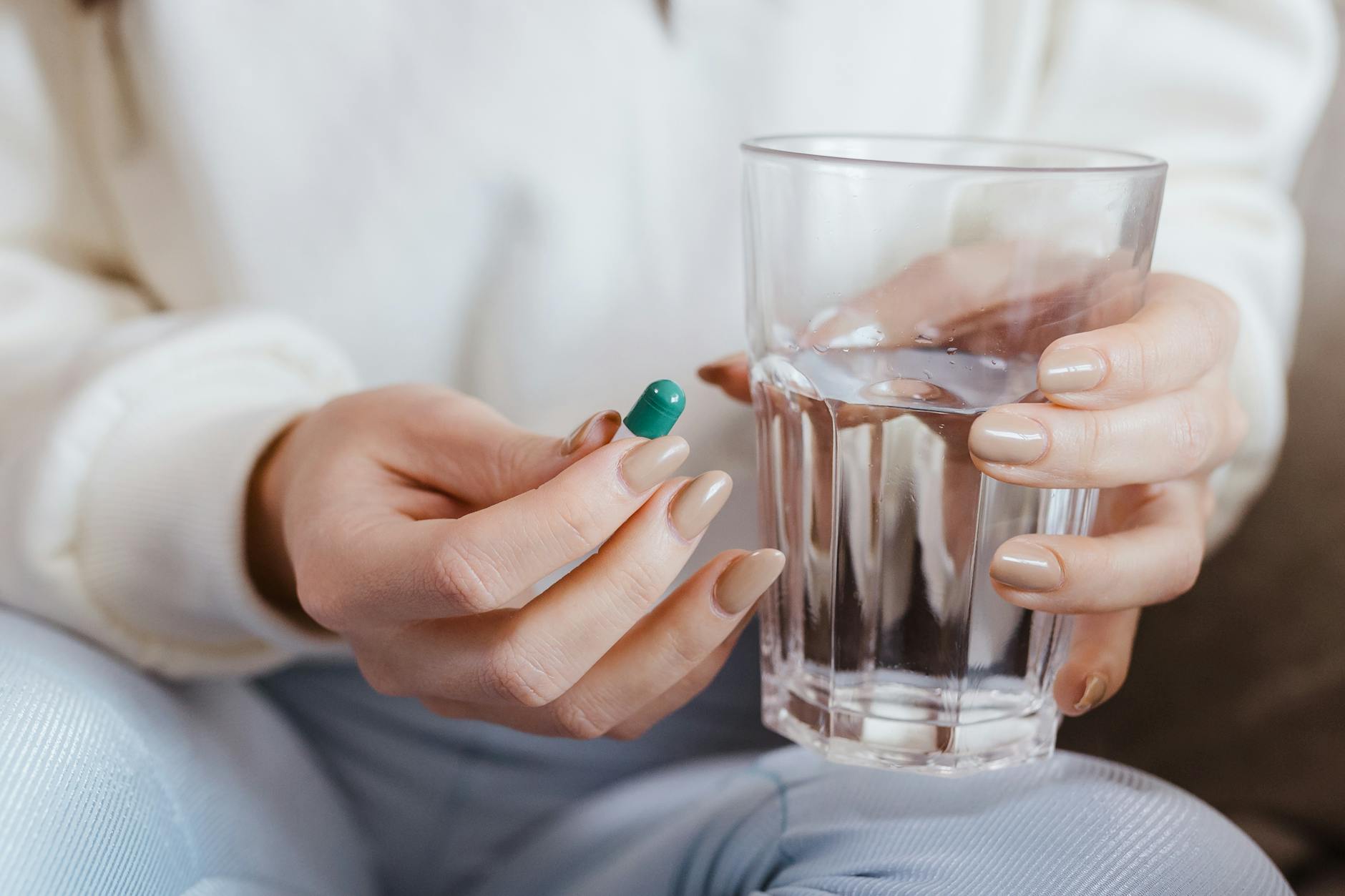
- Natural Mood Lifters – Supplements & Remedies: Many women swear by certain herbs and supplements to help take the edge off menopause-related emotional symptoms. While these aren’t magic cures, they might support your overall mood (and physical symptoms too). A few popular ones:
- Ashwagandha: The star of Ayurveda for stress relief. Ashwagandha is an adaptogen – it helps the body adapt to stress and may reduce anxiety. Some studies show it significantly lowers stress and anxiety levels. It may also aid sleep (less 3am wide-awake episodes!). You can take it as capsules or powder (mixed in milk – the old-school way). For example, Organic India Ashwagandha Capsules are a well-known brand. Remember to not self-medicate; it’s always a good idea to check with a doctor.
- Magnesium: Often called “nature’s tranquilizer,” magnesium is a mineral that can have a calming effect on the nervous system. It helps with sleep quality and muscle relaxation – great if you get night-time leg cramps or tension headaches. Magnesium-rich foods include nuts, seeds, leafy greens, but many of us don’t get enough from diet. A supplement like Tata 1mg Magnesium + Zinc + B6 Tablets can help meet daily needs. Taking magnesium in the evening can promote better sleep (and a calmer morning mood). Just don’t overdo it – too much magnesium might upset your tummy.
- Omega-3 Fatty Acids: Found in fish oil or vegetarian algae supplements, omega-3s support brain health. Some research suggests they can help mood and even mild depression. If you’re not eating fatty fish like salmon or mackerel a couple times a week, consider an omega-3 supplement. Bonus: it’s heart-healthy too.
- Herbal Teas & Others: Sipping on chamomile or lavender tea before bed can ease anxiety. Some women find relief in Evening Primrose Oil for physical symptoms like hot flashes. This relief indirectly improves mood if you’re sleeping better. Always research herbs like Shatavari for hormonal balance. Consult an Ayurvedic doctor for Brahmi to address anxiety.
- Important: Even “natural” supplements can interact with medications. They can also have side effects. It’s wise to discuss with your healthcare provider before starting them. This is especially important if you’re on other meds.
Finally, remember that this too shall pass. The emotional turbulence of hormonal shifts is usually temporary. Menopause is a natural phase of life – not a disease – and on the other side of it, many women actually feel more stable (no more monthly hormone swings!). In the meantime, prioritise your mental health like you do your family’s. It’s not selfish – when you care for your emotional well-being, everyone around you benefits from a happier you. Be gentle with yourself: midlife is a time of enormous change, but it’s also a time of growth and self-discovery. By employing stress-busting habits, leaning on social support, and getting help when needed, you can maintain your zen (or something close to it!) through the ups and downs. You’ve handled life’s challenges for decades – you got this too. Hard days can be challenging. On those days, a piece of dark chocolate can lift your spirits. A phone call to a friend can be soul medicine. Take care, superwoman – your mental health matters. ❤️





Leave a Reply