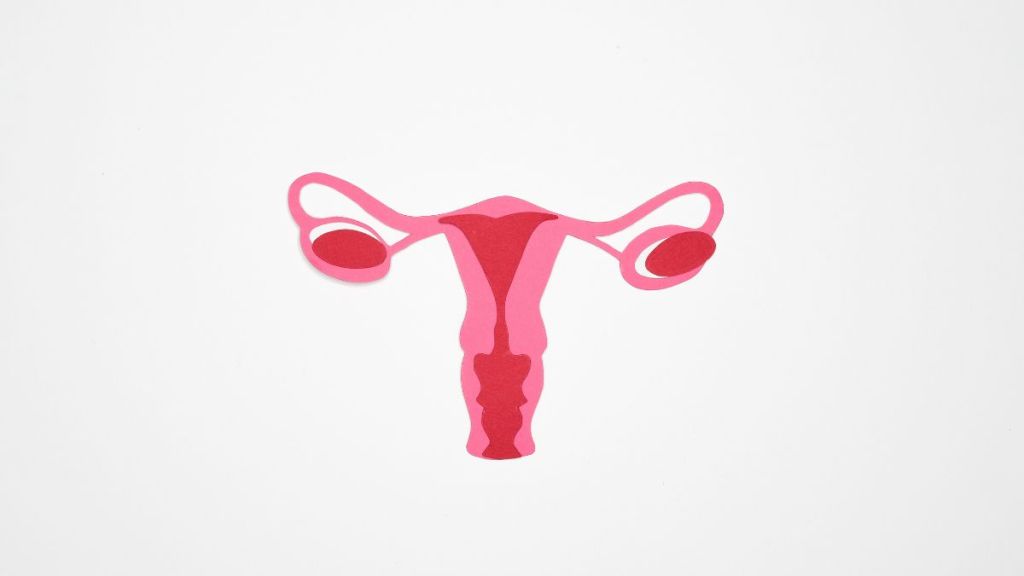
While every woman goes through menopause as a natural age progression, there is a lot of shame and the feature of ridicule associated with talking about it, along with a lack of a support system. Almost 1/3rd of women in India deal with menopause in silence. While multiple fem-tech inventions cater to women’s menstrual health, hardly anyone is talking about menopause. Elda Health is India’s first fem-tech company catering to the health and well-being of women over 40, focusing on menopause.
Co-founded by Swathi Kulkarni (CEO), Shubham Sharma, and Dr Ameya Kanakiya, Elda Health is enabling women to have a happier and more positive transition experience as they enter their menopausal years. On #WorldMenopauseDay, we got Dr Ameya, founding doctor and gynaecologist at Elda Health, to answer some of the most googled questions about menopause.
Q1. At what age does one experience menopause?
Dr Ameya: The average age of menopause in women worldwide is 51 years, while that of women in India is 46 years.
Q2. What are the symptoms of menopause?
Dr Ameya: Hot flashes, night sweats, sleep disturbances, menstrual irregularities, heavy menstrual bleeding, hair loss, anxiety, mood swings, anger, sudden tearfulness, cardiovascular disease, bloating, urinary incontinence, frequent urinary tract infections, vaginal dryness, bone loss, joint pains.
- Also Read: Watch Out For These First Signs Of Perimenopause
- Also Read: We’ve Gotten Two Experts To Answer All Your Questions About Freezing Your Eggs In India
Q3. Can you experience menopause after a hysterectomy?
Dr Ameya: A hysterectomy—a surgery to remove the uterus—will make you stop having periods. But unless and until your ovaries are removed along with the uterus in the surgery, you will not have the other symptoms of menopause.
Q4. How can I prevent hot flashes?
Dr Ameya: While it may not be possible to prevent hot flashes, we can manage them through lifestyle modifications and dietary changes. We also have medications that can help you to treat them.
Q5. Does menopause cause bone loss?
Dr Ameya: Bone loss begins at the age of 30 itself. But this bone loss is accelerated around menopause when the hormone estrogen levels decline. So the bone loss around menopause is more pronounced.
Q6. Does menopause increase the risk of heart disease?
Dr Ameya: The hormone estrogen in the menstrual cycle has a protective effect on the heart. Around menopause, when estrogen starts declining, a female’s risk of heart disease increases.
Q7. Do women have sexual problems after menopause?
Dr Ameya: Menopause causes vaginal changes like dryness and thinning of the vaginal mucosa. Due to the dryness and loss of lubrication, intercourse can be painful. Some women also have low libido around menopause, thus affecting their sex life.

Q8. What can I do to improve mood swings from menopause?
Dr Ameya: Indulging in some exercises, calming me time (away from your gadgets), deep breathing, meditation, and spending time following your hobbies can help you improve your mood swings. It is equally essential for you to get adequate help whenever you feel overwhelmed with your chores.
Q9. What can be done about vaginal dryness?
Dr Ameya: Increasing foreplay and indulging in vaginal sex are some natural methods that can improve vaginal dryness. Specific vaginal lubricants and moisturisers are available, which can also help. In extreme cases, your doctor may prescribe hormonal ointments to help you.
Q10. What can I do if I have trouble sleeping?
Dr Ameya: Following good sleep hygiene by sleeping and waking up daily at the same time, avoiding screens before sleeping and indulging in a sleeping ritual like a warm bath or a glass of milk can help you to sleep better. In case the sleep disturbances are caused by night sweats, tackling them can help you have a good night’s sleep.
Lead image by Nadezhda Moryak via Pexels





Leave a Reply